 Rigel
Rigel 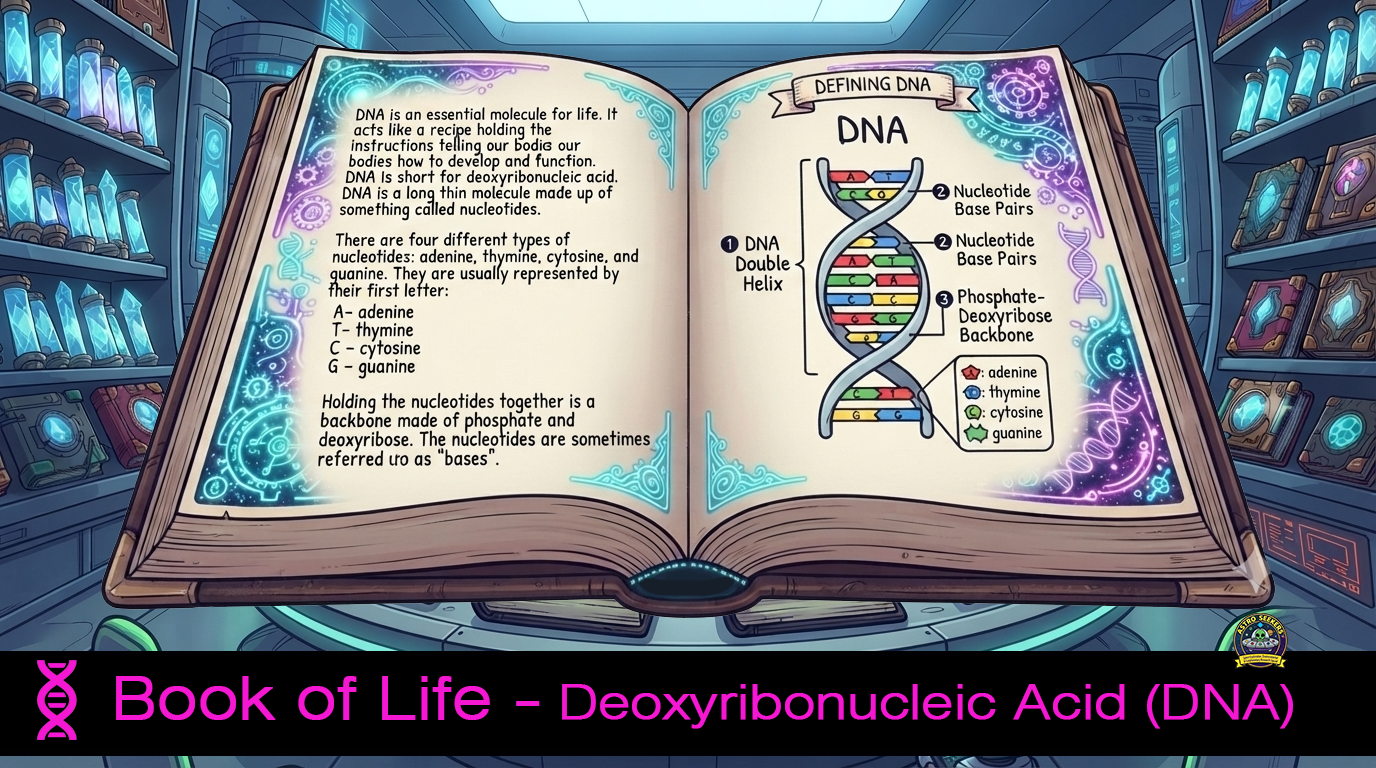
DNA is an essential molecule for life. It acts like a recipe holding the instructions telling our bodies how to develop and function. DNA is short for deoxyribonucleic acid. DNA is a long thin molecule made up of something called nucleotides.
There are four different types of nucleotides: adenine, thymine, cytosine, and guanine. They are usually represented by their first letter:
A- adenine
T- thymine
C – cytosine
G – guanine
Holding the nucleotides together is a backbone made of phosphate and deoxyribose. The nucleotides are sometimes referred to as “bases”.
The human genome is most accurately quantified by counting its base pairs. The total count for the human haploid genome is approximately 3.1 to 3.2 billion base pairs. Since each base pair is made of two nucleotides, the total number of individual nucleotides in this single set is roughly double that figure, or about 6.2 to 6.4 billion nucleotides.
The vast majority of cells in the human body, known as somatic cells, contain a full complement of two sets of chromosomes, one inherited from each parent. This means that a typical diploid cell contains two full copies of the genome, totaling approximately 6.2 billion base pairs, or over 12 billion individual nucleotides.
About The Author

 Aurora
 Doyen Altair